Travel Blog 1 Symbol:Bordeaux Wine
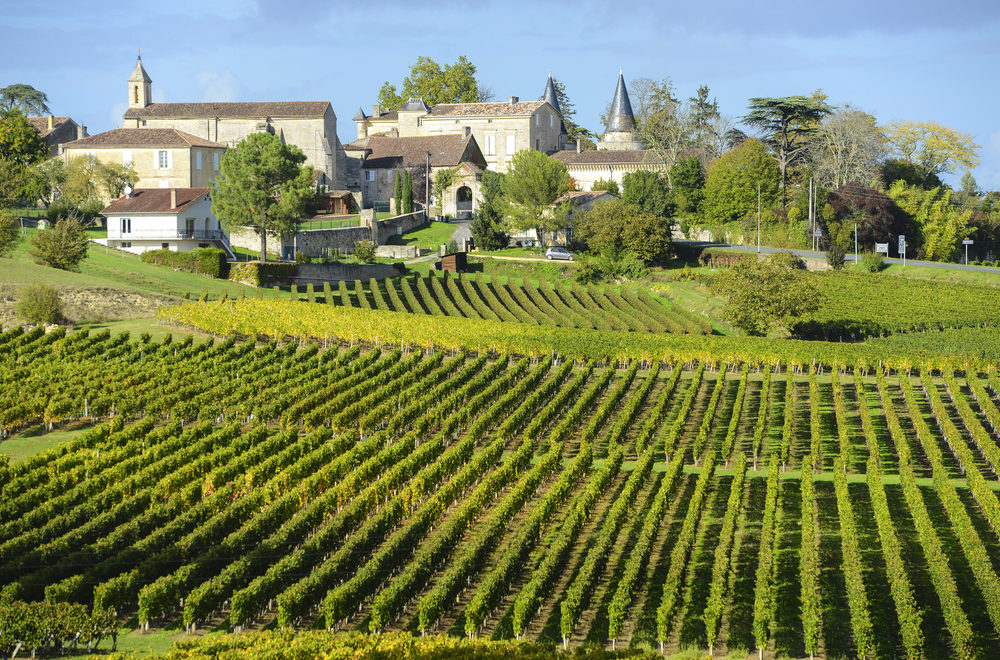
Few things represent France as vividly as a glass of Bordeaux wine, celebrated for its balance, depth, and heritage. I chose this symbol because I have always loved wine tasting—especially exploring Bordeaux’s vineyards, where each bottle tells the story of its soil, climate, and craftsmanship. In France, wine is more than a drink; it is a shared language of culture.


The long history of Bordeaux wine can be traced through key moments(Image source: Wine Folly – “History of Bordeaux Wine”)

Despite its prestige, Bordeaux wine has become a global brand shaped by tourism and marketing. The image of vineyards and châteaux is often reproduced to promote an idealised France, while the reality behind it is far more complex—marked by inequality among producers and environmental strain. This tension makes Bordeaux wine both a cultural treasure and a commercial construct, showing how national symbols lose meaning when turned into global commodities shaped more by tourist desire than local reality.


Comments
Post a Comment